
In the rapidly evolving healthcare industry, businesses must embrace innovative strategies to attract, engage, and convert potential clients. One method that has proven effective across industries, including healthcare, is the sales funnel: a strategic approach that streamlines the patient and client acquisition process.
What a healthcare sales funnel looks like
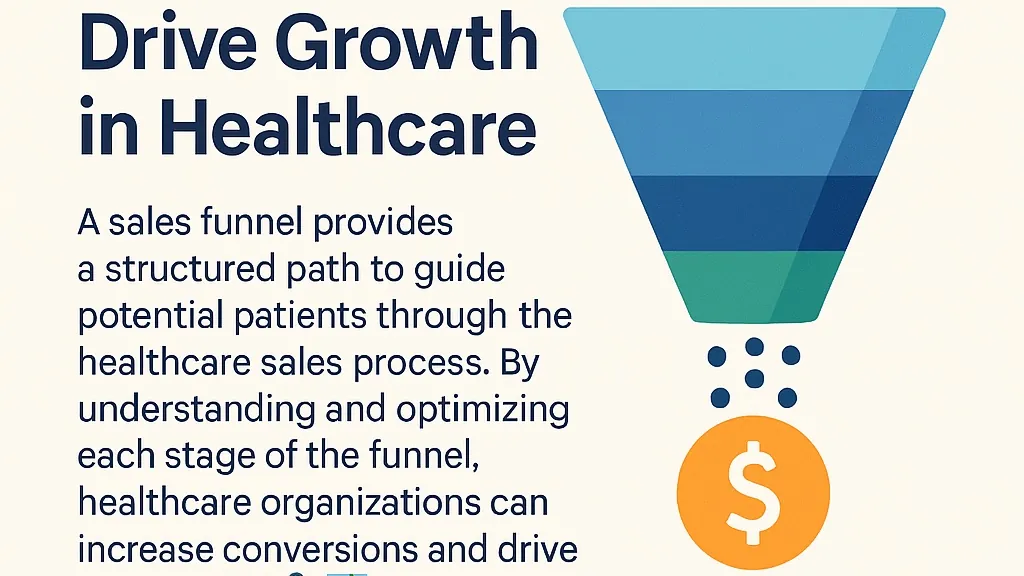
A funnel represents the journey a potential customer, hospital, clinic, patient, or provider, takes from initial awareness to becoming a loyal client. It follows four stages: Awareness (educating potential customers about your services), Interest (providing valuable information to build trust), Decision (offering solutions aligned with their needs), and Action (closing the sale and ensuring a seamless onboarding or care experience).
Why healthcare businesses need one
A funnel helps you attract the right audience, whether that's hospitals, clinics, or direct consumers, through optimised organic search, paid ads, and social media. In healthcare specifically, trust is everything: valuable content like blog posts, webinars, and case studies positions your brand as a credible authority, while automated follow-ups keep you top-of-mind without feeling pushy.
In healthcare, engaging with potential patients before their first visit can make a huge difference.
Building the funnel, step by step
Start by defining your target audience, hospitals, clinics, pharmaceutical companies, or direct patients. Create high-value educational content addressing common pain points. Offer lead magnets like free guides or discount consultations. Nurture with automated email sequences, optimise landing pages and CTAs for clarity, and retarget visitors with personalised ads to bring them back into the funnel.
The payoff
Better conversion rates, since only high-intent leads progress through the stages. Lower customer acquisition costs, since resources go where they perform. And better patient engagement, appointment reminders, educational follow-ups, and privacy-compliant communication all improve both retention and the actual care experience.